From Stadium Energy to Online Platforms: How Digital Entertainment Replicates Live Event Excitement
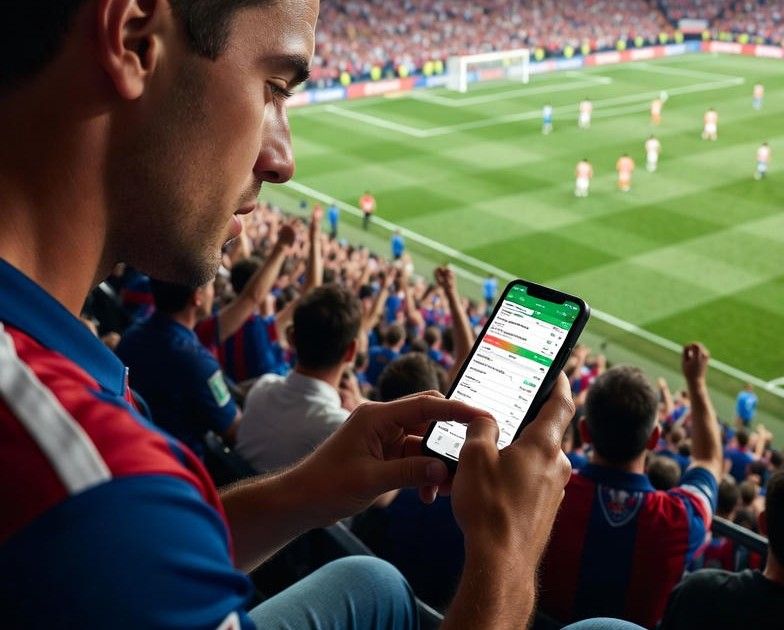
More than 115 million viewers watched the 2025 Super Bowl broadcast across television and streaming platforms, according to Nielsen, showing how large-scale entertainment events continue to shape audience behavior across digital channels. The emotional pull of cheering crowds, countdown clocks, and shared reactions has become a model for online entertainment platforms trying to recreate the same sense of momentum and connection.
Modern digital platforms increasingly borrow techniques from live sports and concert environments to keep audiences engaged for longer periods. Some regional entertainment brands, including SpinFever Australia, reflect how online experiences are now designed around interaction, atmosphere, and community participation rather than simple passive viewing. As entertainment habits shift, developers are paying closer attention to how people respond emotionally to live experiences and how those feelings can be adapted online.
1. Real-Time Interaction Keeps Audiences Emotionally Connected
One of the strongest features shared by stadiums and digital entertainment spaces is immediate interaction. Fans at sporting events react instantly to a goal, replay, or referee decision. Online platforms now recreate that pace through live chats, reaction systems, streaming comment sections, and synchronized activities.
According to research published by the Pew Research Center, audiences increasingly value experiences that feel participatory instead of passive. Real-time feedback systems create a sense of presence, even when users are physically separated by thousands of miles.
These features are especially visible during livestreamed entertainment events, esports competitions, and interactive online communities. Quick reactions, live score updates, and shared commentary create momentum similar to what audiences experience inside an arena.
2. Leaderboards and Tournaments Create Structured Excitement
Competitive structure has long been central to sports entertainment. Scoreboards, rankings, and tournament brackets help maintain audience attention because they provide visible progression and anticipation.
Digital entertainment platforms now apply the same concept through seasonal rankings, timed competitions, and public achievement systems. These mechanics encourage repeat participation because users feel connected to an ongoing event rather than a one-time activity.
According to Deloitte’s Digital Media Trends report, audiences respond strongly to content experiences that include progression systems and social comparison tools. Leaderboards create a visible narrative, which mirrors the emotional buildup associated with sports seasons or tournament play.
Even outside competitive gaming, entertainment platforms now use countdowns, achievement badges, and event-based rankings to sustain audience interest over extended periods.
3. Audio-Visual Design Recreates the Feeling of Live Venues
 Sound and visual presentation play a major role in shaping emotional engagement. Stadiums use lighting effects, crowd noise, announcer commentary, and giant screens to amplify tension and excitement during live events.
Digital entertainment environments increasingly use similar techniques. Dynamic graphics, surround-style audio design, fast transitions, and cinematic presentation all contribute to a more immersive atmosphere.
Researchers from the University of Southern California’s Entertainment Technology Center have noted that synchronized visual and sound cues can significantly affect emotional retention and audience attention spans. Online developers have applied these findings by creating interfaces that feel energetic and responsive.
Many entertainment platforms now include animated transitions, live countdown timers, and responsive sound effects that change according to user interaction. These elements may seem subtle individually, yet together they create a stronger emotional rhythm.
Some Australian-facing entertainment sites have also adopted this design philosophy, blending sports-inspired presentation with digital interaction to maintain audience attention during longer sessions.
4. Limited-Time Events Increase Urgency and Participation
Live entertainment thrives on urgency. A championship game, music festival, or limited concert series carries emotional weight because audiences know the experience is temporary.
Digital platforms increasingly use limited-time events to recreate that same anticipation. Seasonal content, temporary competitions, themed releases, and exclusive livestreams encourage audiences to participate while the event is active.
According to a report from McKinsey & Company, limited-duration digital events often increase user engagement because they create a sense of shared timing. Audiences are more likely to return regularly when experiences evolve over short cycles.
This structure mirrors how sports fans follow schedules throughout a season. Instead of consuming content casually, users begin tracking dates, announcements, and event launches with greater attention.
The approach has become especially common in entertainment ecosystems connected to streaming, gaming, and interactive audience participation.
5. Community Participation Strengthens Long-Term Engagement
One reason live events remain culturally powerful is the collective experience surrounding them. Fans celebrate together, debate outcomes, and build traditions over time. Online entertainment increasingly depends on the same sense of community.
 Forums, group chats, social feeds, and collaborative events all help digital audiences feel connected to a larger audience network. According to the Harvard Business Review, shared participation often increases emotional investment because audiences associate experiences with social belonging.
Communities also help maintain activity between major events. Discussions, predictions, and reaction content keep conversations active long after a livestream or competition ends.
This pattern is visible across many forms of entertainment, including sports streaming, esports, online fan groups, and digital event platforms. Regional branding strategies, including those associated with Spin Fever platforms in Australia, often focus on community familiarity and audience identity rather than direct promotion.
6. Cross-Platform Access Expands the Live Event Feeling
Traditional stadium experiences were once limited to physical attendance or television broadcasts. Digital technology has changed that structure completely. Audiences now move between smartphones, tablets, streaming devices, and social media platforms while following a single event.
This cross-platform behavior allows entertainment companies to maintain continuous engagement throughout the day. A user might watch highlights on social media, join a live discussion during an event, and revisit clips afterward on a streaming platform.
According to Statista, global second-screen usage during live sports broadcasts continues to grow, particularly among adults between 25 and 44. This behavior has encouraged entertainment platforms to design experiences that function fluidly across multiple devices. Industry discussions around sports broadcast analysis also reflect how live viewing data, streaming accessibility, and audience behavior now play a larger role in shaping digital entertainment experiences.
The result is a more connected entertainment environment where audiences remain involved even when they are away from the main broadcast.
Closing Insights on the Future of Digital Entertainment
The line between live event entertainment and digital participation continues to narrow. Features once associated only with stadiums, concerts, and televised sports now appear across online platforms designed for interactive engagement.
Real-time communication, immersive presentation, community participation, and event-driven scheduling all contribute to experiences that feel more emotionally active than traditional digital media. Platforms connected to the broader Australian entertainment market, including services associated with the Spin Fever brand, illustrate how regional digital ecosystems are adapting these ideas to modern audience expectations.
At the same time, audiences are becoming more aware of how digital engagement systems are designed to encourage longer participation. Entertainment experiences connected to gambling-related environments should always be approached responsibly. Adults should remain mindful of spending habits, time management, and the potential risks associated with excessive participation in gambling activities.
As technology evolves further, the future of entertainment will likely depend less on physical location and more on how effectively digital spaces can recreate the emotional energy people once found only in crowded arenas and live venues.