The Changing Relationship Between Sports Communities and Predictive Entertainment Platforms
McKinsey & Company has reported that digital communities increasingly shape how people interact with entertainment, sports content, and online experiences. Sports fandom once revolved around attending games, discussing team performance, reading newspapers, and watching broadcasts together. Today, digital environments have expanded how audiences participate, creating new forms of interaction that extend beyond simply observing events.
As audiences moved into online spaces, platforms offering statistics, discussion tools, and predictive participation features became more visible. Resources associated with Didihub account (akun Didihub) systems and similar digital platforms are often referenced as examples of how account-based participation environments organize user interaction and access processes. These systems illustrate how technology increasingly shapes the way people engage with sports-related content and predictive activities.
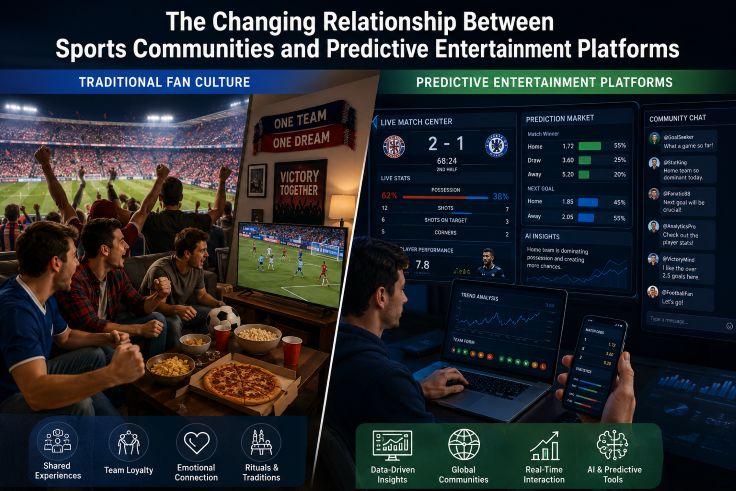
Traditional Fan Culture and Shared Experiences
For many decades, sports communities developed around collective experiences. Fans gathered in homes, stadiums, restaurants, and community spaces to follow teams and discuss performances. The connection extended beyond the results themselves. Loyalty often became part of personal identity, family tradition, and regional culture.
Pew Research Center has repeatedly observed that communities often form around shared interests because people naturally seek social belonging and collective experiences. Sports culture reflected this pattern. Fans developed rituals and emotional attachments that strengthened social bonds.
Conversations usually centered on player performance, coaching decisions, memorable moments, and rivalries. Participation was mainly observational. Audiences reacted to outcomes after events took place rather than actively interacting with predictive systems beforehand.
Even early sports discussion environments followed this structure. Radio programs, printed columns, and television commentary focused on interpretation rather than direct participation mechanisms.
The Rise of Predictive Participation
Digital technology gradually introduced a different relationship between audiences and sporting events. Instead of remaining observers, users increasingly began interacting with data before and during competitions.
Modern platforms frequently present live statistics, trend indicators, historical performance information, and interactive features. Predictive entertainment environments emerged within this broader digital landscape.
Deloitte Digital Media Trends research has shown that modern audiences increasingly prefer experiences involving interaction and personalization rather than passive viewing alone. This shift helps explain why sports communities evolved alongside technological changes.
Supporters of predictive participation argue that these systems create deeper engagement. Rather than simply waiting for a final score, users may spend more time discussing player conditions, reviewing historical information, and exploring broader sports narratives.
Some communities view these developments as extensions of traditional fan behavior. Sports discussions have always involved predictions. Fans routinely speculate about outcomes, player performances, and season expectations. Digital tools simply organize these conversations within structured environments.
Participation platforms and account-based systems have also changed how online sports communities interact globally. A fan in one country can now exchange perspectives instantly with supporters elsewhere, creating broader communities than earlier generations experienced.
Contrasting Perspectives on Audience Engagement
The growth of predictive entertainment platforms also raises questions regarding changing audience behavior.
One perspective suggests these environments increase involvement with sports content by encouraging users to pay closer attention to data and event details. Advocates believe digital participation creates richer discussions because users actively analyze information rather than simply consuming it.
Others express concerns about how increased prediction-focused interaction might affect traditional fan culture.
American Psychological Association research discussing digital behavior has noted that highly interactive environments can sometimes shift attention patterns and alter how users engage with content. Applied to sports communities, some observers argue that constant predictive activity may change audience priorities.
Traditional supporters sometimes emphasize emotional loyalty and long-term community identity. They may view sports as stories involving teamwork, persistence, and cultural connection.
By contrast, highly data-centered participation environments often emphasize short-term events, probabilities, and ongoing interaction metrics. Critics suggest that this could create experiences centered more heavily around constant activity rather than community traditions.
The reality may sit somewhere between these viewpoints.
Sports communities have historically adapted to technological shifts. Television transformed fan behavior. Social media introduced real-time discussions. Streaming services changed viewing habits. Predictive participation systems appear to represent another stage within that continuing evolution.
Broader Implications for Audiences
The relationship between sports communities and predictive entertainment platforms may continue changing as technology develops further.
Artificial intelligence tools already personalize recommendations and content experiences. Real-time data systems continue expanding the amount of information available during sporting events. Audience expectations may increasingly focus on interactivity. Discussions around how digital entertainment recreates live event excitement also highlight how online experiences increasingly attempt to capture the energy, anticipation, and social interaction traditionally associated with live sports environments.
At the same time, traditional aspects of sports culture remain important. Fans still value emotional connections, memorable moments, and community identity.
Rather than replacing earlier forms of engagement, digital participation may gradually blend with existing traditions. Sports communities have repeatedly demonstrated an ability to absorb technological changes while preserving core social experiences.
The discussion therefore becomes less about choosing one approach over another and more about understanding how audiences adapt to new forms of interaction.
Digital participation environments, predictive entertainment systems, and broader online communities are likely to continue influencing sports culture. The challenge for audiences may involve balancing technological convenience with the social elements that originally made sports communities meaningful.
Responsible Participation Considerations
Because predictive systems and gambling-related environments may involve financial and behavioral risks, responsible participation remains important. Individuals should understand personal limits, maintain awareness of spending habits, and avoid treating predictive entertainment activities as guaranteed outcomes. Entertainment experiences can affect people differently, and informed decision-making helps support healthier engagement.
Conclusion
The relationship between sports communities and predictive entertainment platforms reflects a broader shift occurring across digital culture. Traditional fandom emphasized shared experiences and long-standing social connections, while newer participation models introduce interactive tools and evolving forms of engagement. As technologies continue changing, sports audiences may increasingly combine community traditions with modern digital experiences, creating new versions of participation that reflect both historical fan culture and emerging predictive entertainment environments.